
Waxing Clinic Adelaide
Our coveted Adelaide beauty clinic, Visible Changes, offers a professional, hygienic and discreet waxing Adelaide service, specialising in XXX Brazilian waxing in Adelaide. Book your treatment now.
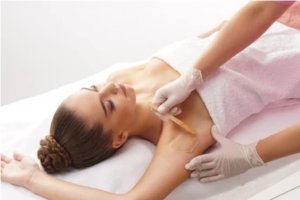 We offer waxing for both men and women. We can wax your Head (face, ears, nose, eyebrows) Arms. Hands. Back. Abdomen. Thighs. Buttocks and Bikini area.
At Visible Changes we pride ourselves on offering the best service possible. Our staff is highly trained and offer the very best in waxing hair removal treatments. Each treatment room is sterile and hygienic. We only use the best wax and specialise in using both strip and hot wax methods.
Here at our Adelaide beauty clinic and salon, we always use disposable spatulas and provide you with disposable underwear for your discretion when opting for bikini waxing or XXX Brazilian waxing treatments. There is absolutely no recycling either.
For your comfort and protection, all our Adelaide waxing services are performed under the most hygienic conditions. Specifically formulated wax contain soothing and calming properties of lavender and chamomile for the best in Adelaide waxing services.
Please Note: Some people have strong hair and sensitive skin, which can make for a somewhat of a painful experience. Others don’t even wince during their wax. On the whole though, most people are pleasantly surprised to see that our waxing services are so easy, quick and professional – the results are well worth the effort.
Women’s Waxing
Brazilian Waxing
At Visible Changes, our Brazilian waxing service in Adelaide, South Australia, is meticulously crafted to deliver smooth and flawless results. Whether you’re preparing for a special occasion or maintaining your preferred grooming routine, our skilled estheticians provide a comfortable and professional experience.
Using high-quality waxing products and techniques, we ensure minimal discomfort and long-lasting hair removal, leaving your skin silky and rejuvenated. Trust Visible Changes for expert Brazilian waxing services that prioritize hygiene, precision, and client satisfaction, ensuring you leave feeling confident and refreshed.
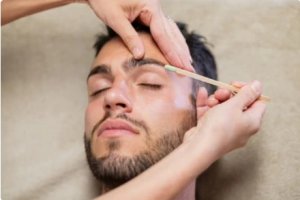
Professional men’s waxing services tailored to meet the grooming needs of our male clientele. Whether you’re looking to remove unwanted hair from your back, chest, arms, legs, or intimate areas, our skilled estheticians provide expert care in a discreet and comfortable setting.
After Treatment Advice
- SKIN SPOTTING: This just indicates that the hairs have been removed from the follicle and is quite normal after waxing. These red spots may stay on the skin for a short period of time but will soon fade away.
- SENSITIVE SKIN: Apply an ice-cold compress two or three times after your waxing appointment; this takes away the sting and reduces redness. Do not apply deodorant until the day after waxing underarms.
- FACIAL WAXING: If after leaving the salon the skin may still be red, wrap an ice cube in a wet cloth and apply it to the waxed areas. You should do this five or six times at one-hour intervals as this reduces the redness of the skin. Avoid clogging the pores with moisturisers or make-up for at least 12 hours. After your first lip wax you may develop some whiteheads in the waxed area; this rarely reoccurs with subsequent waxing.
- CHLORINATED WATER AND SUN EXPOSURE: After your waxing appointment, beware of exposure to chlorinated water and the sun (including infared lamps or solariums). Your skin, already sensitised, may sunburn more easily. Conversely you should not receive a waxing treatment if your skin is sunburnt.
- IN-GROWN HAIRS AFTER WAXING: As the hair is out of the follicle for many weeks after waxing, dead skin cells can form over the mouth of the follicle, causing the hair to grow under the skin when it appears. To prevent in-grown hairs you may use an exfoliating glove or some of our various lotions that help to reduce in-grown hairs.
- ITCHINESS AFTER WAXING: If itchiness occurs a day or so after waxing, you should follow-up with a cold compress at home. Itchiness two or three weeks after waxing is caused by the new hair breaking through the follicle. Only people with coarse hair who have been shaving over a long period of time are subject to this problem and it usually occurs only after the first few waxing treatments. Regular exfoliating of the skin to prevent the dead skin cells clogging the mouth of the follicle is the answer. Use of an antihistamine cream can relieve itching.
- BEFORE YOUR NEXT APPOINTMENT: Do not use self-tanning lotions or moisturising creams – particularly on your legs – on the day of your appointment as they form an oily barrier that inhibits the grip of the wax.
- ADDITIONAL ADVICE: Coarse and/or curly hair can create skin problems after waxing because the bacteria on the skin may enter these wider hair follicle entrances and cause whiteheads. This reaction applies particularly to chest and back areas. For the first three or four days after waxing please shower immediately after vigorous exercise and use an exfoliating glove to help clear the follicles of perspiration and dead skin cells. Application of an antiseptic healing cream on the waxed area is also recommended.
Waxing FAQ’S
How much does waxing cost?
Our waxing prices start from:
Women’s Waxing Price List
- Lip $11
- Chin $11
- Eyebrow $25
- Bikini Line $25
- G-string $35
- Brazilian $45
- Underarm $20
- Half arm $24
- Full arm $34
- Half leg $25
- Full leg $43
Men’s Waxing Price List
- Eyebrows $18
- Full arm $3
- Half arms $28
- Full legs $4
- Back $47
- Chest $47